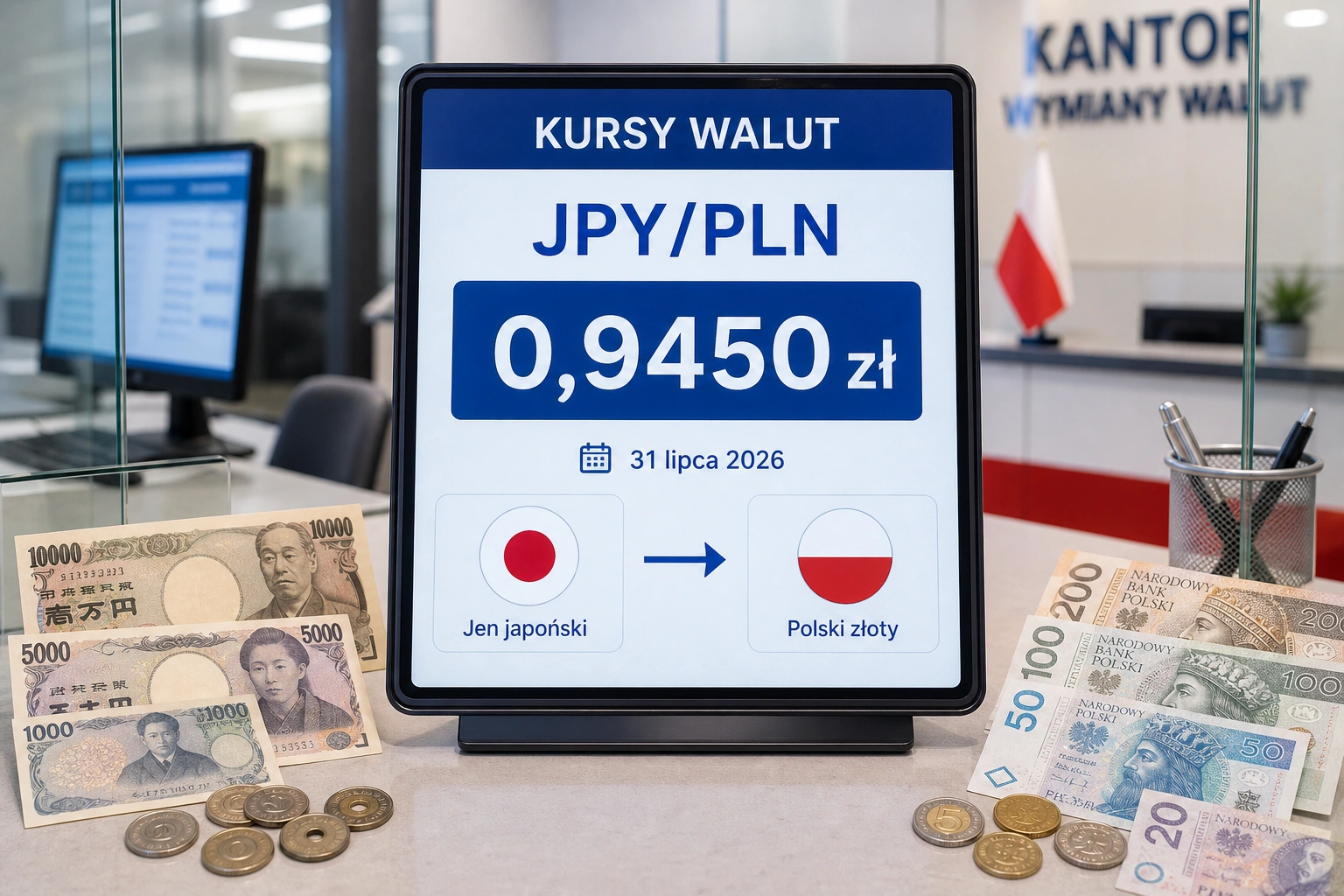





Lowest Spreads and Flexible Terms.




RPP leaves interest rates unchanged. ECB raises rates – what’s next for the złoty?
NBP unchanged, with growing uncertainty in the background
The September meeting of the Monetary Policy Council brought no surprise. NBP left interest rates unchanged. This is important news for people repaying zloty-denominated loans, but also for those exchanging currencies and watching the cost of money in Poland.
The market had been expecting rate hikes, but some bank economists and most MPC members still see a need for caution. Tomorrow’s speech by NBP Governor Adam Glapiński may shed light on how the council views the coming months and whether its stance is really changing.
The broader environment is also shaping the national central bank’s decisions. The longer the war in the Middle East lasts, the less predictable market sentiment becomes. For ordinary consumers, this means above all greater volatility in exchange rates and in the pricing of financial assets.
The ECB raises the bar, fuel and the zloty under pressure
Elsewhere in Europe, the move was different. ECB, the European Central Bank, decided on its second interest rate hike this year. The decision was in line with market expectations, but it shows that the fight against inflation in the euro area is still ongoing.
In Poland, fuel prices are rising in parallel. Pb95 petrol is already close to a record high, while average diesel prices have slightly moved above the March peak. Drivers of diesel cars must brace for further cost increases, although petrol may get a little cheaper for now.
Also worrying is the situation on the foreign exchange market. In recent months, there has been a reversal of a very strong move in the real appreciation of the zloty, that is, a period in which the currency gradually gained ground even after accounting for inflation. The previous two similar episodes did not end well for Poland, so investors are closely watching whether the current shift will prove lasting.
Mortgages are being repaid well, the stock market is under foreign control
Mortgage data remain a strong point for Polish households. Repayment quality is at a record high, and out of every 100 тыс. zł in mortgages, only 1070 zł is in trouble. Zloty-denominated loans are being serviced very well.
The picture is different for franc loans. The indicator for “francs” is already twice as bad as for cash loans, a reminder of how costly foreign-currency debt can be when the exchange rate moves the wrong way.
On the Warsaw Stock Exchange, the first half of 2026 brought a record dominance of foreign capital. It accounted for nearly three-quarters of turnover on the Main Market. At the same time, domestic investors were opening brokerage accounts at an unprecedented pace, showing growing interest in the stock market among Poles.
Sources