

Lowest Spreads and Flexible Terms.




The economy is slowing, inflation is falling. NBP assumptions for 2027
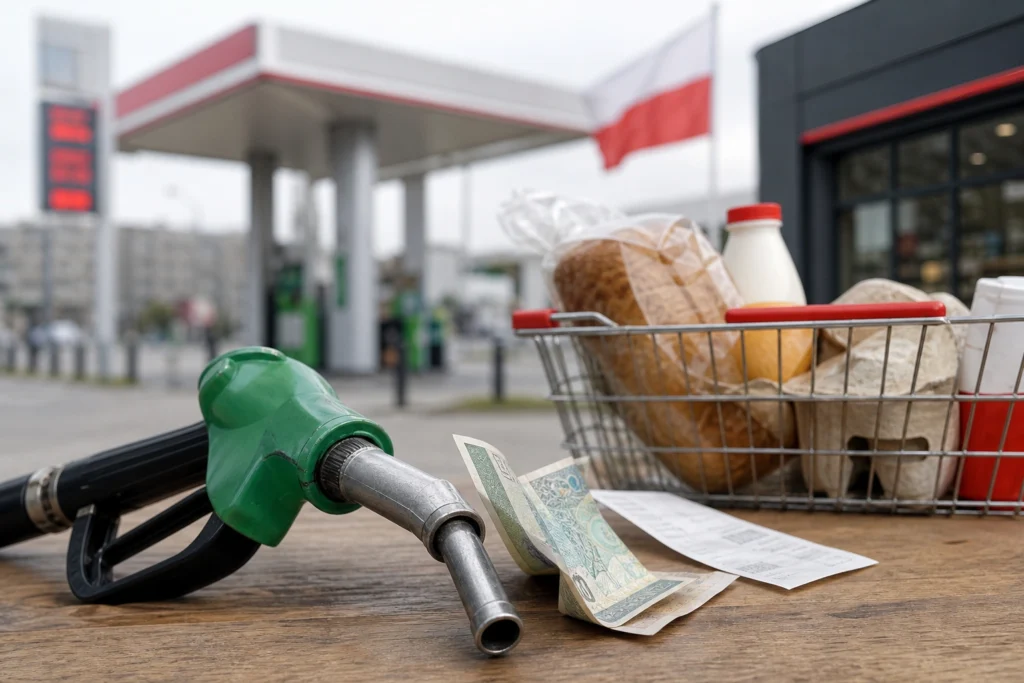
Inflation in Poland is set to be higher in 2026, then ease
The monetary policy assumptions for 2027 say that inflation in Poland in the second half of 2026 is expected to be somewhat higher. The reason is the unwinding of tax and regulatory measures in the fuel market. The document also says that average annual CPI (consumer price inflation) in 2027 is expected to be lower than in 2026.
This is also important news for people exchanging currencies, because higher inflation usually means more pressure on prices in shops and for services. If that scenario is confirmed, the złoty may remain influenced by inflation data for many months to come.
The documents say the drop in inflation in 2027 is expected to result from fading cost pressures. This should be helped by the expected normalization in global commodity markets and weaker demand pressure tied to a slowdown in economic activity.
The Monetary Policy Council also noted that inflation in the second half of 2026 may be higher precisely because of the unwinding of tax and regulatory measures in the fuel market. For households, this means fuel prices could continue to affect the cost of everyday life and, indirectly, transport and some goods prices.
Under the assumptions, GDP growth in 2026 is expected to be close to 3.6 percent, and in 2027 it is set to slow. Growth is to be supported by the absorption of EU funds, which boosts investment growth. At the same time, the pace of expansion is expected to be held back by the effects of the supply shock linked to the conflict in the Middle East and by slower wage growth.
The document also points to several sources of risk for inflation and the economic outlook. Among domestic factors of uncertainty, it mentions the future shape of fiscal policy, especially with the public finance sector deficit still high and public debt rising. From abroad, the most important factors are geopolitical tensions, the situation in the Middle East, the course of Russia’s aggression against Ukraine, and the state of the eurozone economy, especially in Germany.
The MPC also drew attention to possible swings in oil and natural gas prices. Additional uncertainty comes from changes in trade policy in the world’s largest economies and from European Union decisions on industrial and climate policy, including the planned expansion of the EU emissions trading system.
Sources